It’s encouraging to see the new government making housing a top priority, bringing in reforms, increasing funding, and focusing on communities across the UK. But to truly meet the needs of today and tomorrow, we need to rethink the entire conversation around housing, just as the country did in the early 20th century.
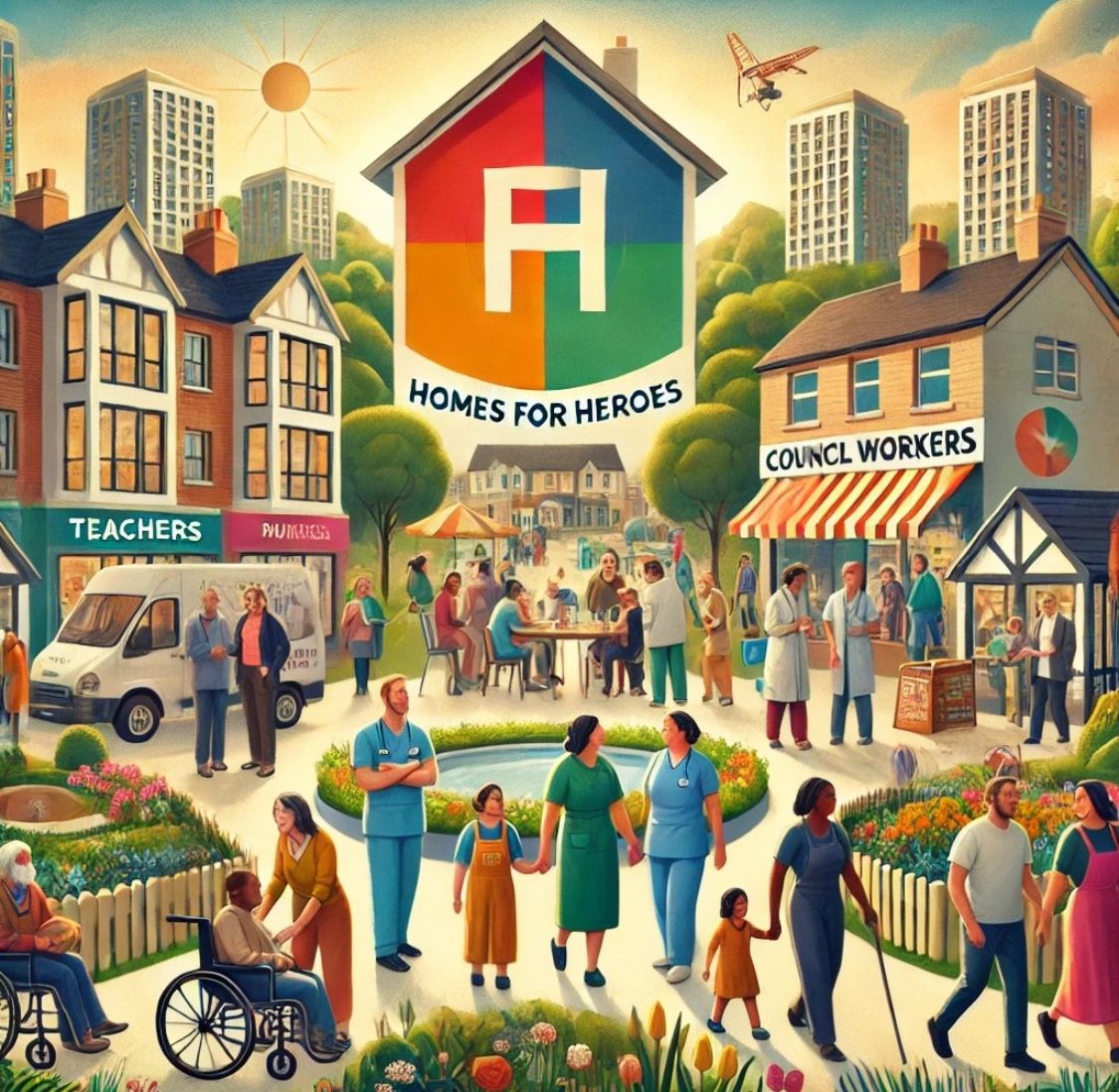
Back then, under the Addison Act, waves of new homes were built using private institutional funding, backed by the government on a Build to Rent (BTR) model. These were homes for heroes, reflecting a national ambition to provide quality housing as a foundation for stability and prosperity. Over time, this mass housing programme became what we now know as council housing, based on an unwritten agreement: the state would provide homes, and industry would provide jobs, ensuring economic security for working communities.
By the 1980s, this relationship began to unravel. Deindustrialisation meant that traditional jobs disappeared, while Right to Buy depleted communal housing stock. Inequality grew, and “council housing” evolved into “social housing,” shifting from an expectation of universal provision to a safety net for those in greatest need.
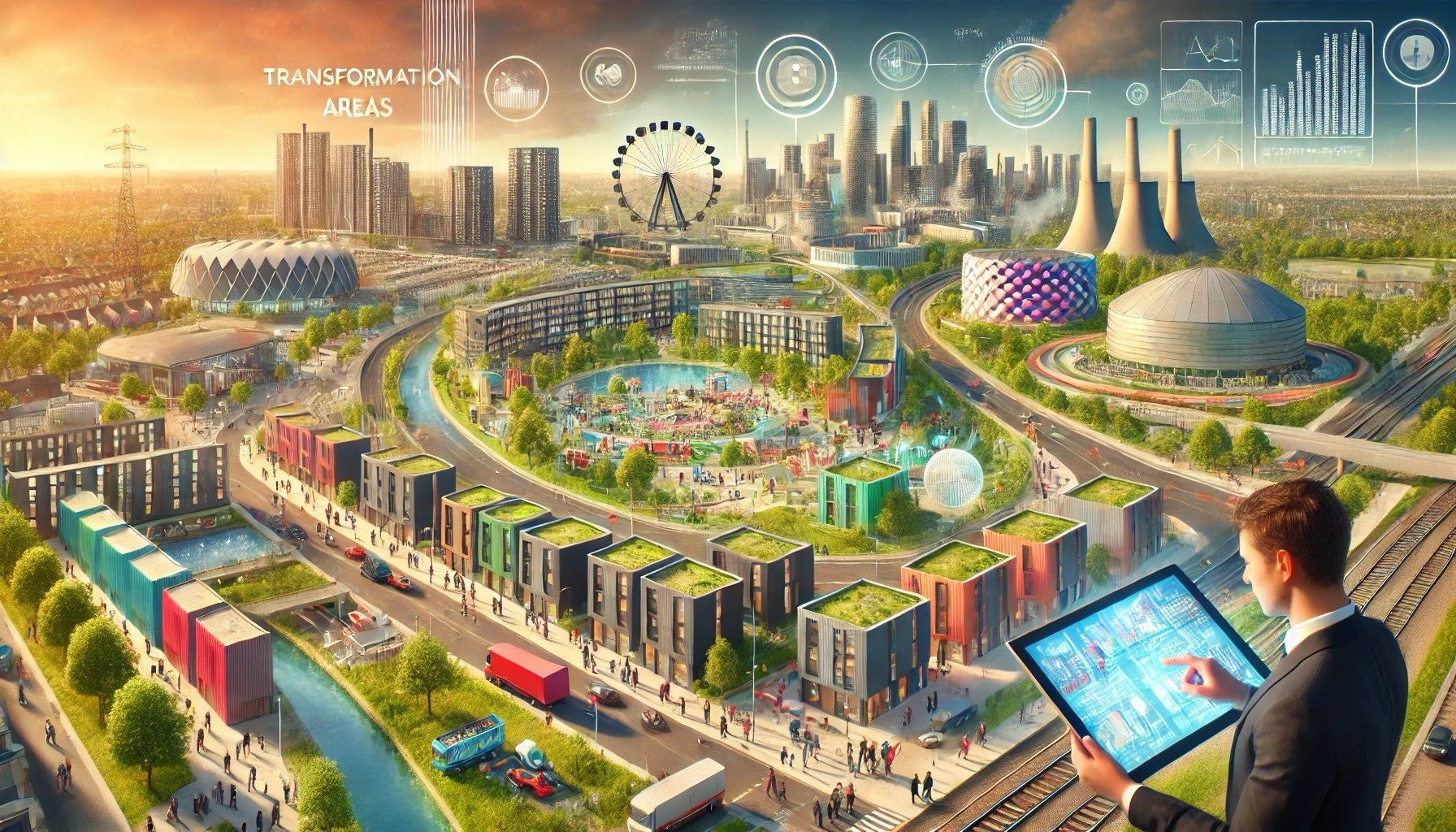
Today, our cities and towns still bear the imprint of their industrial past, many of the same office and factory buildings remain, but the economic activity within them has fundamentally changed. What were once single-employer sites with stable, predictable wages are now home to multiple operators, offering a much wider range of incomes and employment conditions.
Yet our housing model remains stuck in a 20th-century framework—split into three rigid categories:
🏠 Council/Social Housing
🏠 Market Rent
🏠 Home Ownership
This model no longer fits modern realities. That’s why we need a Community Rent Model—a more flexible approach that aligns housing with people’s changing needs and incomes. A system with:
✔ Flexi-tenure, allowing residents to “staircase” up or down based on circumstances.
✔ Mixed communities, without “poor doors” or divisions.
✔ A fairer investment model, benefiting both residents and public/private investors.
This isn’t just about housing—it’s about inclusive growth. A system that works for communities, for investors, and for society as a whole.
It’s time to build housing for the 21st century. Let’s make it happen.