“Why did you create the Community Rent model?” It’s a question I hear often, and the answer is both simple and powerful: by truly listening to people and delving into the data.
During my time as a council leader in Barking and Dagenham, I saw the struggles many families faced. At first glance, it seemed like the majority were battling low incomes, but the data told a more nuanced story. Families on our housing waiting list earned between £20,000 and £60,000.
Traditional council housing stock is primarily used for households in need with set at earning around £18,000. This left a huge gap. Many hardworking families couldn’t afford private rents, didn’t qualify for council housing, and were priced out of buying a home. These were families in the “missing middle,” and we needed a solution to meet their needs.
This innovative approach introduced:
Capped rents at 40% of household income, ensuring housing was fair and affordable.
A structure that welcomed everyone, eliminating the stigma of “poor doors.”
Long term public and private investment, enabling us to deliver affordable homes across different rent levels—council-equivalent rents, London affordable rents, and intermediate rents—all without relying on grant funding.
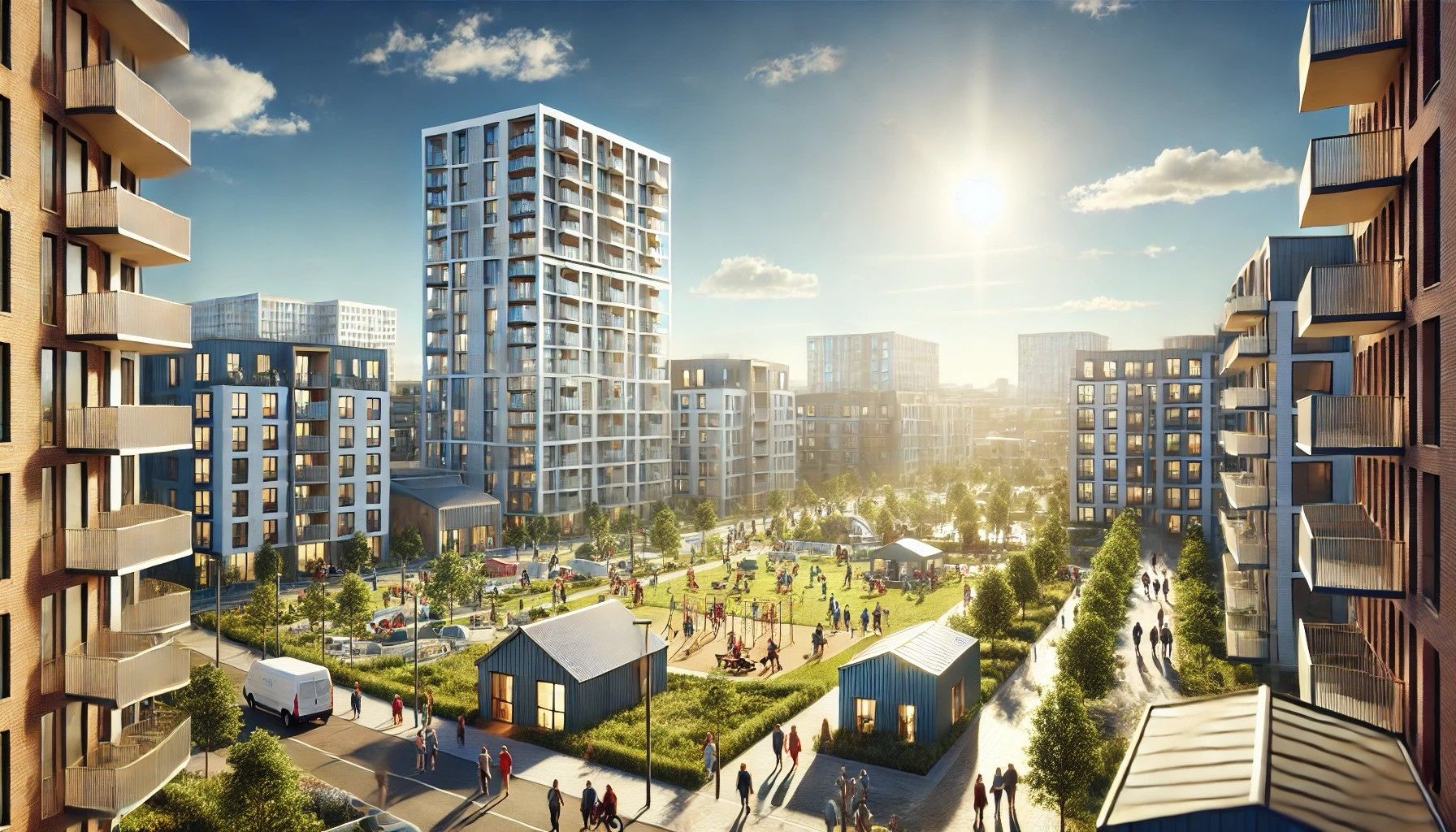
The outcome was transformative: a mixed-income, balanced community where key workers like nurses and teachers, alongside families in transition, could find a home that matched their needs and aspirations.
Housing isn’t just about bricks and mortar—it’s social infrastructure, as vital as schools and hospitals. This concept isn’t new. Policies like the Housing of the Working Classes Act (1890) and the Addison Act (1919) recognised housing’s critical role in building strong communities.
Today, we need to return to that mindset. This means removing the stigma around affordable housing and reframing it as an investment in people and places. The Infrastructure Homes concept grew from this thinking. It’s a unified housing model that prioritises:
Affordability: Housing costs tied to income, offering transparency and fairness.
Flexibility: Options that adapt to household needs and circumstances.
Inclusion: A model that fosters diverse communities while ensuring people feel valued, not labelled because of their circumstances.
This model eliminates stigma, encourages fairness, and ensures that everyone regardless of their income can access housing that works for them. If one household can afford to pay a little more while still needing support, it strengthens the system for everyone.
The Community Rent model is about more than just housing it’s about creating opportunity, fostering resilience, and making fairness the foundation of our communities. By focusing on these principles, we can tackle the housing crisis in a way that uplifts everyone.
Let’s keep pushing for bold solutions that make housing work for all.